 Off The Grid Play
Escape Room Design: Lessons in Puzzle Craft and Flow State
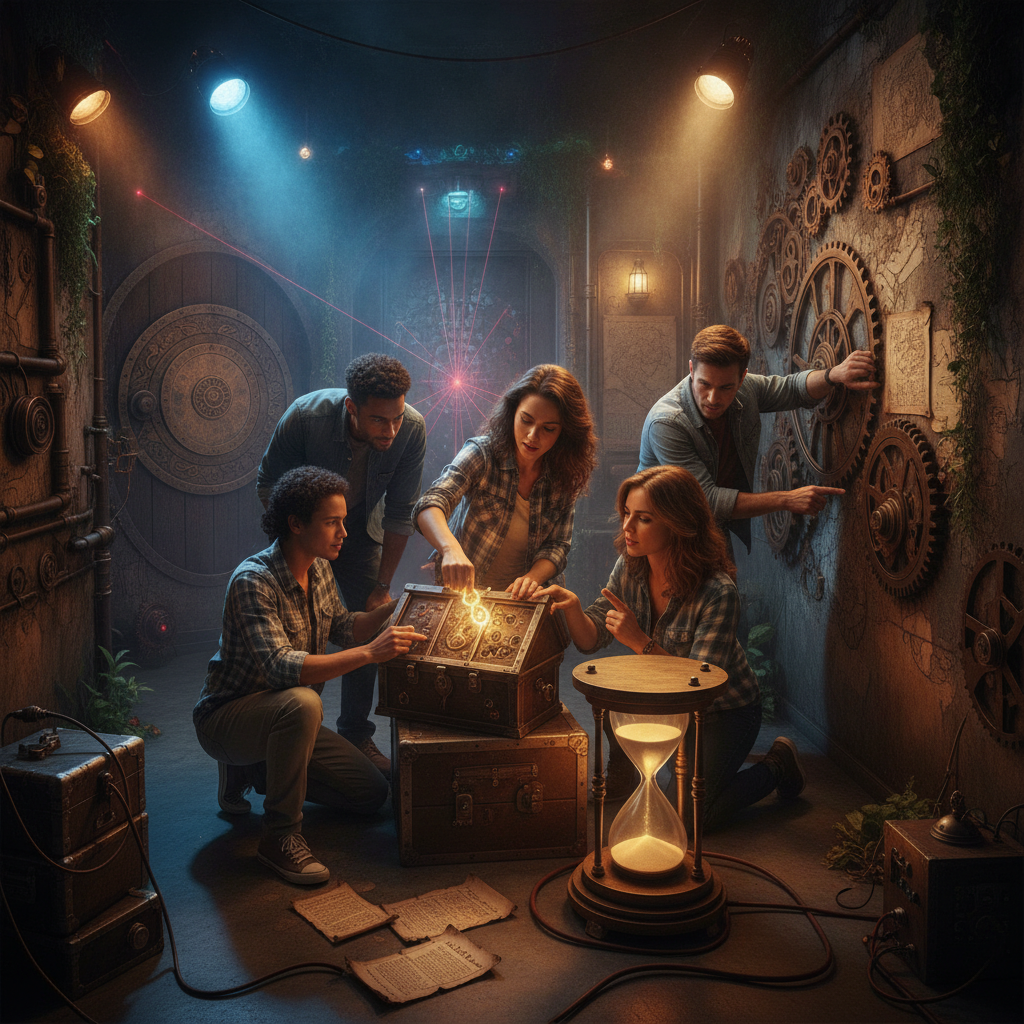
The Art of Designing Engaging Experiences
Designing an escape room is not merely about creating puzzles; it’s about crafting an immersive experience that captivates participants from the moment they step inside. The balance between challenging puzzles and the elusive flow state is crucial for achieving that goal. Here, we delve into the key lessons learned in the art of escape room design, focusing on puzzle craft and the importance of maintaining a flow state.
Understanding Puzzle CraftPuzzle design is an intricate blend of creativity and logic. Designers must consider the diverse skill sets and preferences of participants. Effective puzzles should be:
- Intuitive: The best puzzles feel natural and accessible. Avoid overly complex rules that can frustrate participants.
- Varied: Incorporate a mix of logic games, physical tasks, and observational challenges to cater to different strengths.
- Integrated: Puzzles should be woven into the narrative and environment, enhancing the story rather than feeling like arbitrary challenges.
“A well-designed puzzle is not just a test of intelligence, but a doorway into a larger story.”Creating a Flow State
Flow state, a term coined by psychologist Mihaly Csikszentmihalyi, describes a mental state where individuals are fully immersed and engaged in an activity. For escape room participants, reaching this state is essential for an enjoyable experience. Here are ways to facilitate flow:

- Challenge vs. Skill: Ensure that the difficulty of puzzles matches the skill level of the participants. Too easy, and they may become bored; too difficult, and they may feel frustrated.
- Clear Goals: Provide participants with a clear understanding of their objectives. Ambiguity can disrupt the immersion and create confusion.
- Immediate Feedback: Instant feedback on their actions helps participants feel in control and encourages them to keep progressing.
A successful escape room experience leaves participants feeling accomplished and exhilarated, having worked together to overcome challenges. The lessons learned in puzzle craft and the creation of flow state not only enhance the enjoyment of the game but also foster teamwork and communication among players.
ConclusionIn conclusion, the design of an escape room requires a thoughtful approach to puzzle crafting and an understanding of psychological principles like flow state. By focusing on intuitive, varied, and integrated puzzles, alongside strategies to maintain engagement and immersion, designers can create unforgettable experiences that captivate participants and invite them to return time and again. As the popularity of escape rooms continues to grow, these lessons will remain essential for crafting engaging and memorable adventures.