 Off The Grid Play
Gamification Beyond Points and Badges: Emotional Design in Play Systems
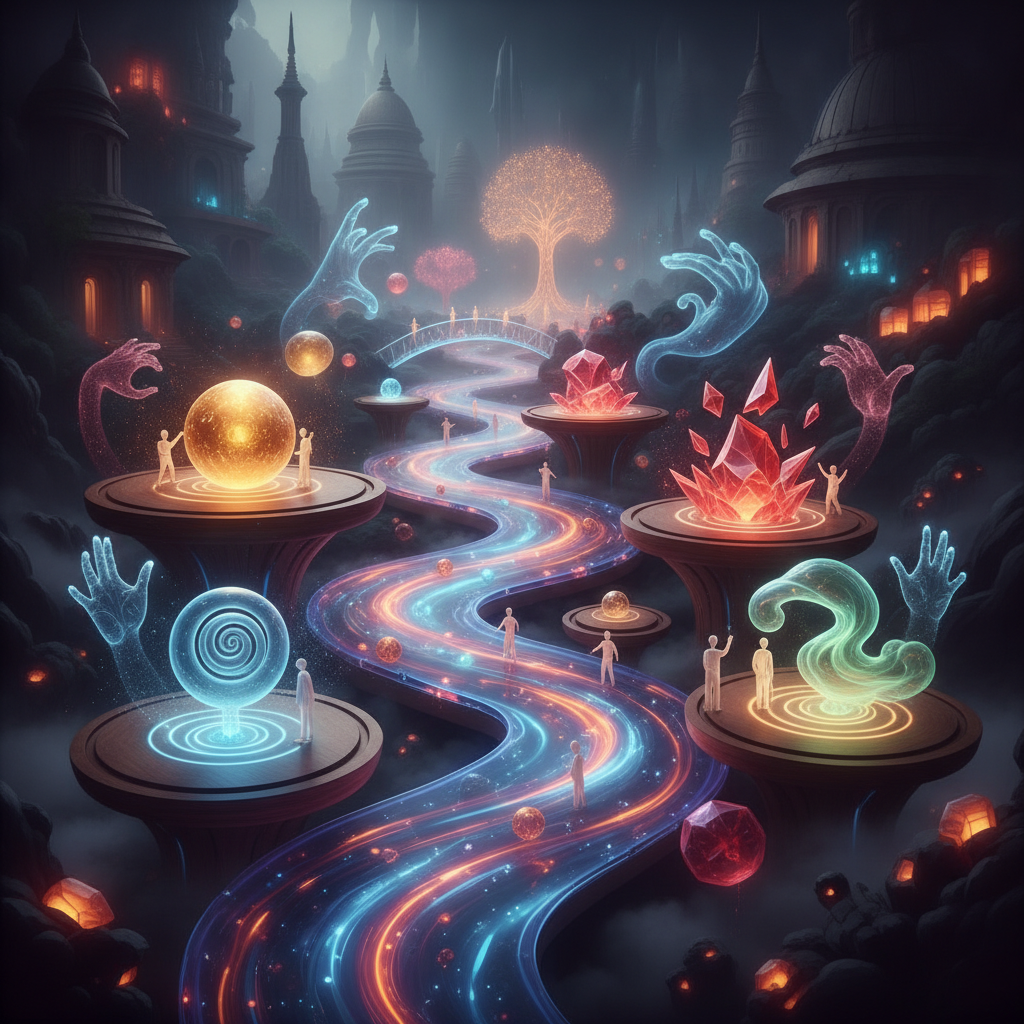
Understanding Emotional Design in Gamification
In the realm of gamification, the traditional focus often rests on point systems and badges as metrics of success and engagement. However, to truly captivate users and foster a deeper connection, it is essential to explore the concept of emotional design in play systems. This approach transcends mere rewards and taps into the intricate emotional landscapes of users, creating experiences that resonate on a personal level.
The Essence of Emotional DesignEmotional design is centered around the notion that experiences evoke feelings, and these feelings can significantly influence behavior and decision-making. By embedding emotional elements into game mechanics, designers can create a profound engagement that goes beyond surface-level incentives. This method considers elements such as storytelling, aesthetics, and user experience, all of which play a critical role in shaping emotional responses.
“The goal of emotional design is to create meaningful connections that enhance user experience.”
Creating Meaningful Experiences
One effective way to implement emotional design is through narrative. Storytelling allows users to immerse themselves in a world where they can connect with characters and scenarios that reflect their own struggles, aspirations, and triumphs. This emotional investment in the narrative can lead to a greater sense of purpose and motivation in the activity.

Additionally, aesthetics play a vital role in emotional design. The visual elements, soundscapes, and overall look and feel of a system can elicit emotions that drive engagement. A beautifully designed interface can evoke feelings of joy and satisfaction, while a well-composed soundtrack can intensify the experience, making users feel more connected to the gameplay.
Feedback and Community ConnectionAnother critical aspect is the feedback loop that emotional design can create. Instead of merely rewarding users with points or badges, providing meaningful feedback that acknowledges their progress and efforts can create a lasting emotional bond. Celebrating milestones in a way that resonates with users on an emotional level can promote a sense of achievement that enhances loyalty to the system.
Moreover, fostering a sense of community among users can significantly amplify the emotional impact of a play system. Encouraging collaboration, competition, or even social sharing can create a network of support and motivation, making users feel part of something larger than themselves.
Conclusion
As the landscape of gamification continues to evolve, it is paramount to look beyond traditional metrics such as points and badges. By integrating emotional design into play systems, we can create richer, more engaging experiences that resonate with users on a personal level. Such an approach not only enhances enjoyment but also cultivates a deeper commitment to the activities being gamified, leading to lasting and meaningful engagement.