 Off The Grid Play
Play Therapy for Adults: The Science of Recreational Healing
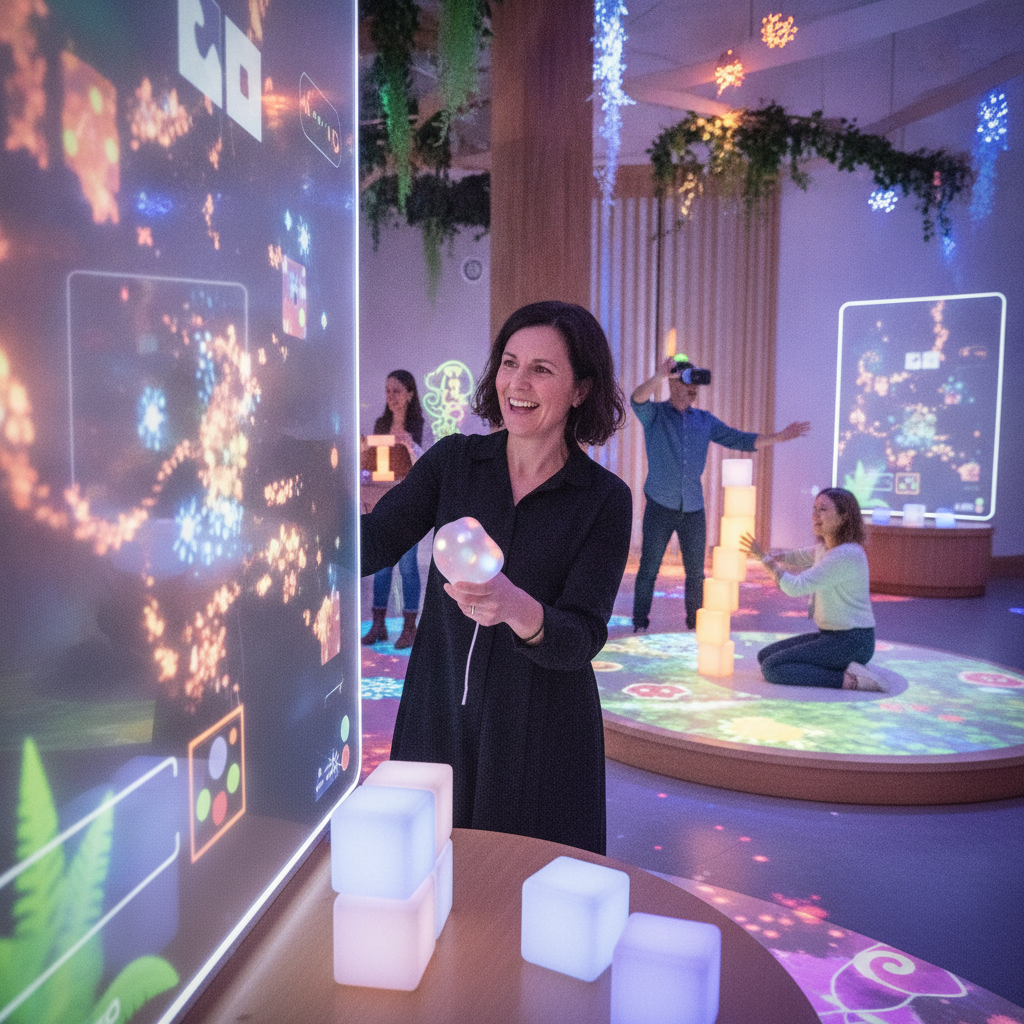
The Therapeutic Power of Play
Play therapy is often associated with children, but its benefits extend far beyond childhood. This innovative approach has gained traction in adult therapy settings, offering a unique avenue for healing and self-exploration. By engaging in play, adults can access emotions and experiences that may be difficult to articulate through traditional therapeutic methods.
Understanding Play Therapy for AdultsAt its core, play therapy for adults is about creating a safe and supportive environment where individuals can engage in playful activities. This could include art, music, role-playing, or even games. The idea is to bypass the verbal defenses that often hinder emotional expression, allowing deeper issues to surface organically.
"Play is the highest form of research." – Albert Einstein
Research indicates that engaging in play can reduce stress, improve mood, and enhance emotional resilience. When adults participate in playful activities, they tap into their intrinsic creativity, which can lead to profound personal insights. This process not only fosters connection with oneself but can also improve relationships with others.
 The Science Behind Recreational Healing
Neuroscience supports the efficacy of play therapy in adults. Engaging in playful activities activates the brain's reward system, releasing neurochemicals such as dopamine, which is linked to feelings of pleasure and satisfaction. This chemical release can be particularly beneficial for individuals dealing with anxiety and depression, as it can elevate mood and create a sense of well-being.
Moreover, play therapy encourages mindfulness and presence. When adults immerse themselves in a playful activity, they often enter a state of flow, where they are fully engaged in the moment. This mindfulness practice can lead to reduced rumination and a greater sense of peace.
Applications in TherapyTherapists employing play therapy techniques can utilize a variety of tools and activities tailored to the needs and preferences of their clients. Whether it’s through art, movement, or improvisational theater, the key is to foster an environment where spontaneity and creativity can flourish. This playful interaction can help adults explore issues such as trauma, grief, or relationship challenges in a non-threatening way.
"The opposite of play is not work; it’s depression." – Brian Sutton-Smith
As society continues to recognize the importance of mental health, play therapy is emerging as a valuable resource for adult clients seeking healing. By embracing the scientific principles behind recreational healing, individuals can rediscover joy, enhance their emotional well-being, and ultimately lead more fulfilling lives.