 Off The Grid Play
Playground Design Philosophy: Insights from Children for Adult Spaces
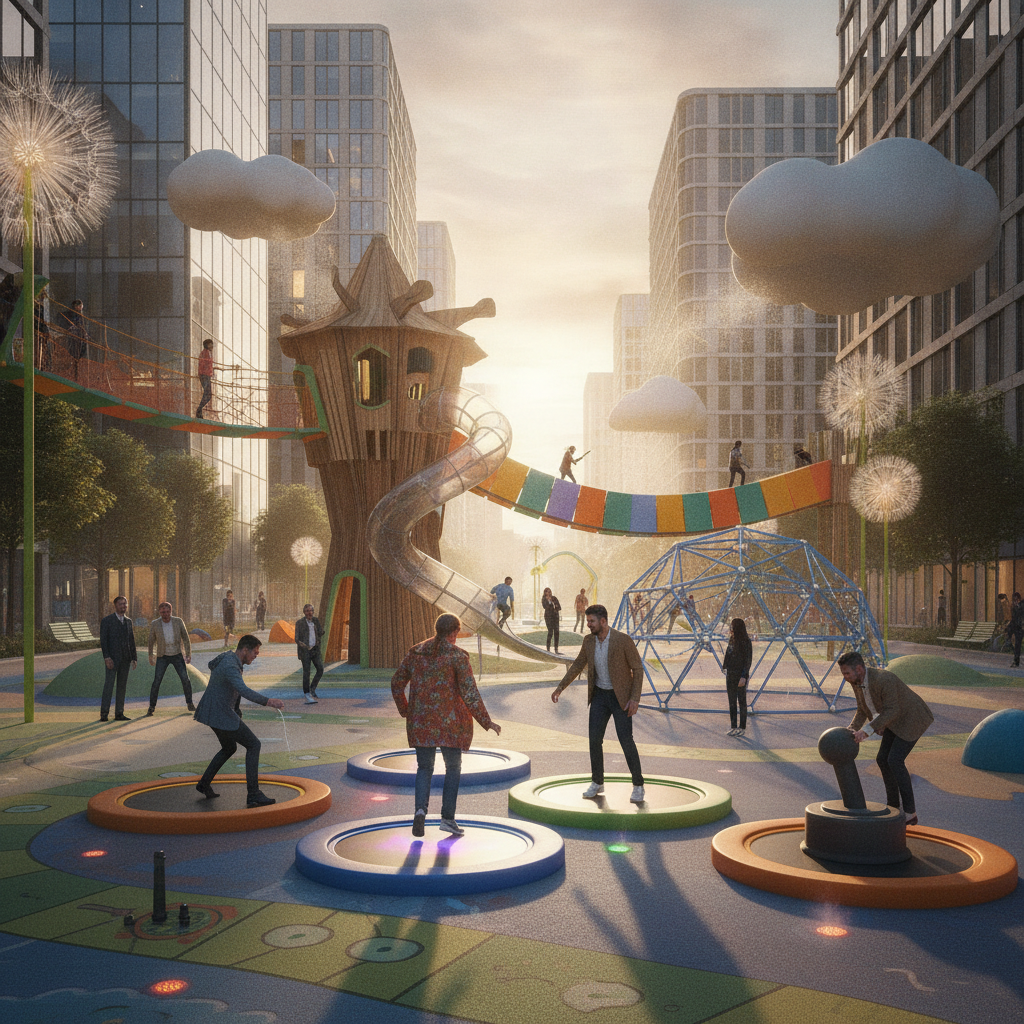
Embracing Playfulness in Design
In a world where adult spaces are often characterized by strict functionality and rigid structures, the vibrant and dynamic nature of playgrounds offers invaluable lessons. The essence of playground design is rooted in the understanding that spaces should foster creativity, encourage exploration, and promote social interaction. As we delve into the philosophy behind playground design, we can uncover principles that adult-oriented environments can adopt to enhance user experience and community engagement.
1. Prioritizing Flexibility and AdaptabilityPlaygrounds aren’t just static spaces; they are designed to be versatile. Structures that allow for multiple types of play—climbing, sliding, swinging—encourage children to engage in imaginative scenarios. Similarly, adult spaces, whether parks, offices, or community centers, can benefit from adaptable designs that accommodate various functions. Modular furniture, open layouts, and movable partitions can transform a space to suit different activities and users, inviting creativity and collaboration.
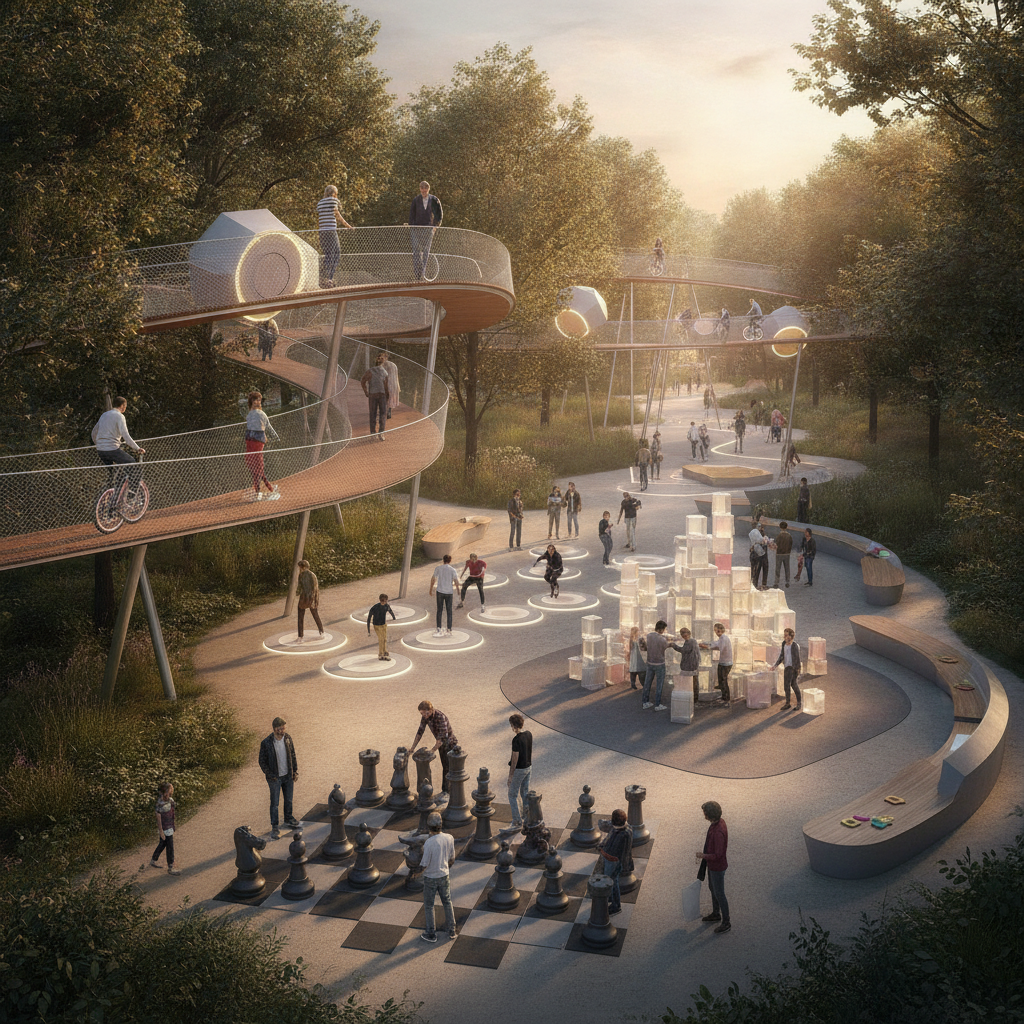
2. Fostering Community and InteractionPlaygrounds are often at the heart of communities, serving as gathering points for children and adults alike. Their design fosters social interaction, whether through shared activities or communal spaces. Adult spaces can learn from this by integrating areas that promote connection, such as communal tables, seating clusters, or interactive installations. By creating environments that encourage people to engage with one another, we can cultivate a sense of belonging and community spirit.
 3. Emphasizing Safety Without Stifling Adventure
While safety is a primary concern in playground design, it is balanced with the need for adventure and risk-taking. Designers create environments that are safe yet stimulating, allowing children to explore their limits. Adult spaces can adopt this philosophy by incorporating elements that challenge users while maintaining comfort. This could mean designing inviting yet daring architecture or including features that encourage physical activity, all while ensuring safety measures are in place.
4. Celebrating Nature and Sensory ExperiencesModern playgrounds often integrate natural elements—like gardens, water features, and natural materials—to stimulate sensory experiences. These elements encourage children to connect with nature and explore their environment. Adult spaces can also enhance user experience by incorporating biophilic design principles, such as green roofs, water features, or botanical gardens. This not only beautifies the space but also promotes well-being and mindfulness.
5. Championing Inclusivity“Play is the highest form of research.” – Albert Einstein
Contemporary playgrounds are increasingly designed to be inclusive, ensuring that children of all abilities can play together. This philosophy can extend to adult spaces as well, with designs that accommodate diverse needs and backgrounds. By prioritizing accessibility and inclusivity in design, we can create environments that welcome everyone, fostering a richer community experience.
In conclusion, the philosophy behind playground design offers a treasure trove of insights for adult spaces. By prioritizing flexibility, fostering community, balancing safety with adventure, celebrating nature, and championing inclusivity, we can create environments that not only serve functional purposes but also enrich lives. As we embrace the wisdom of play, we open the door to creating more vibrant, engaging, and meaningful spaces for all ages.