 Off The Grid Play
The Addictive Nature of Gamification in Fitness Apps
The Rise of Gamified Fitness
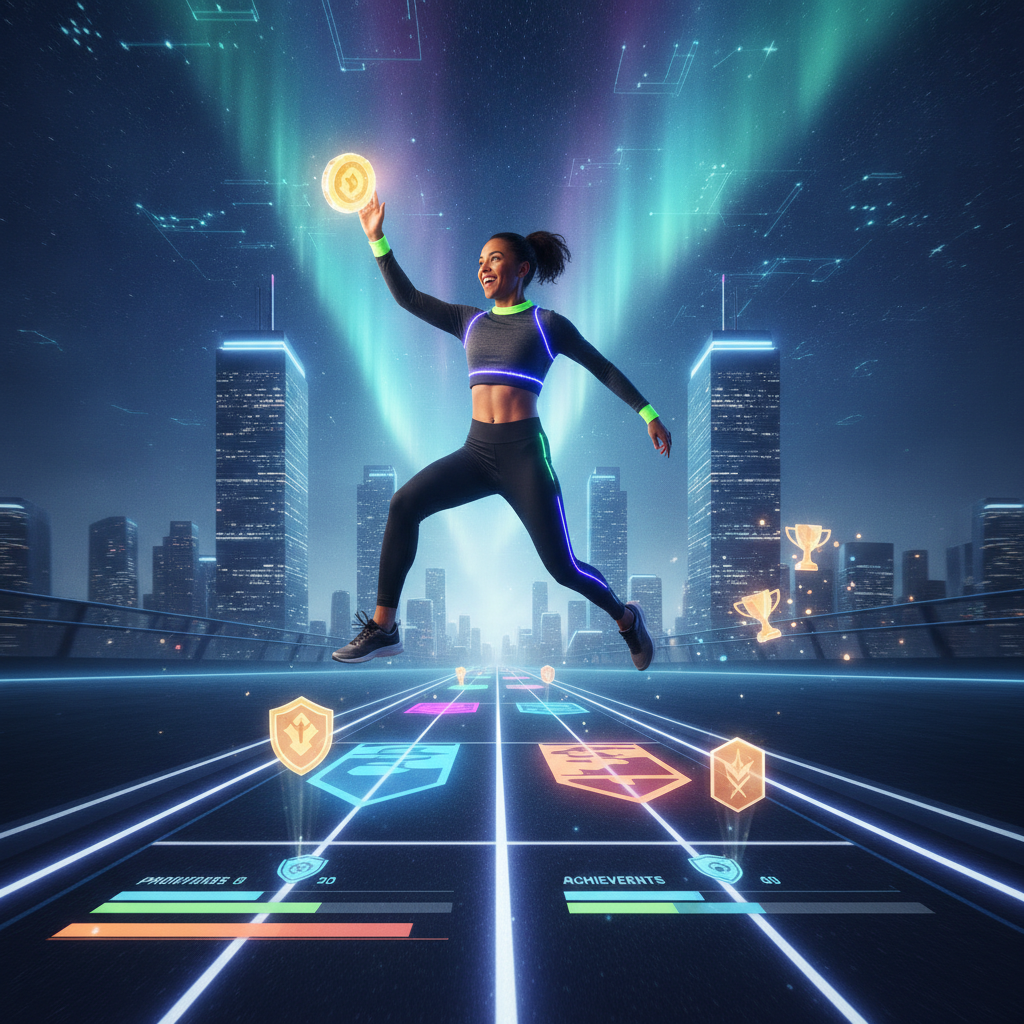
In recent years, the integration of gamification in fitness applications has transformed the way individuals perceive and engage with their workout routines. By incorporating elements typically found in video games, these apps have not only made exercise more enjoyable but have also fostered a sense of community and competition among users.
What is Gamification?Gamification refers to the application of game-design elements in non-game contexts to enhance user experience and engagement. In the realm of fitness, this can manifest through various features such as rewards systems, challenges, leaderboards, and virtual badges that recognize achievements.
"Gamified fitness apps motivate users by making workouts feel less like a chore and more like a game."
Creating Addictive Experiences
The addictive quality of these fitness apps lies in their ability to tap into human psychology. Users are often driven by the desire for achievement and recognition, which gamified features readily provide. Completing a workout may earn points, unlocking new levels or virtual trophies, giving users a tangible sense of progress.
 The Role of Social Interaction
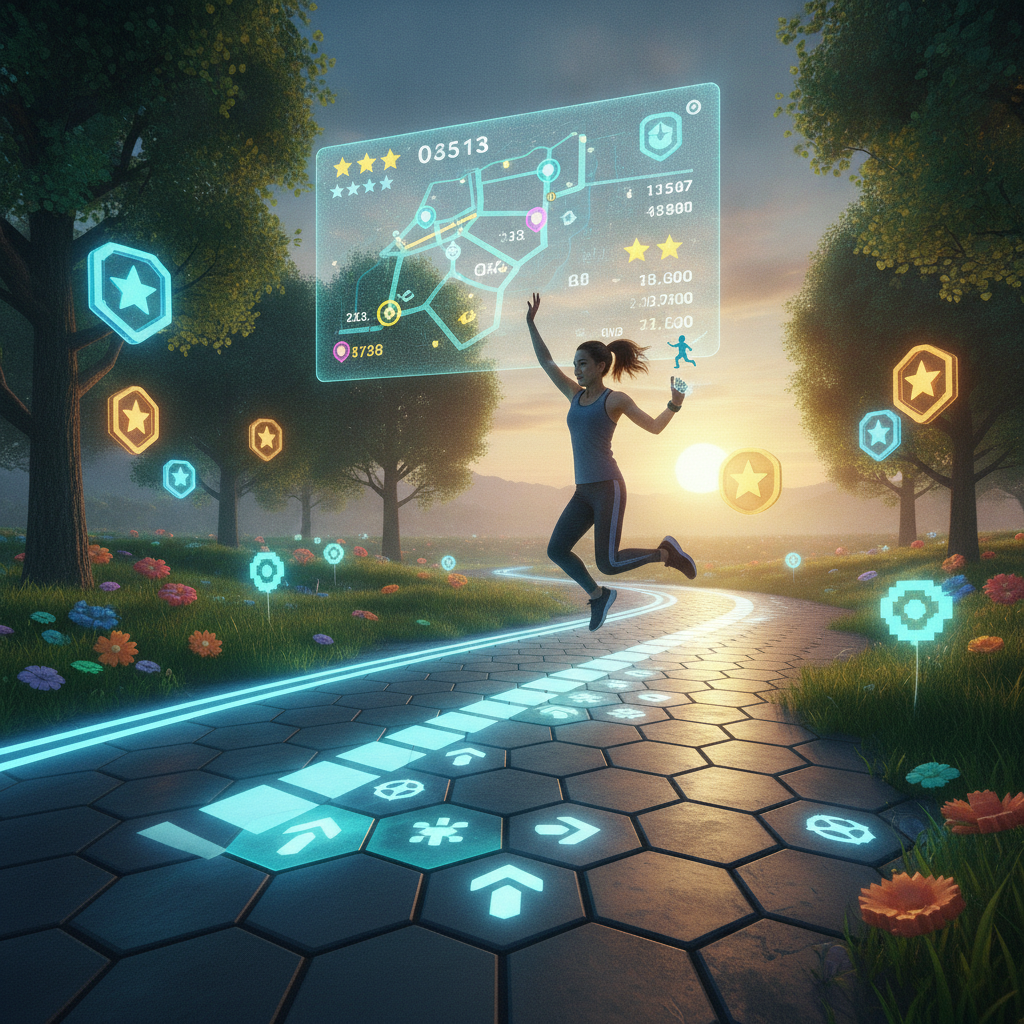
Many fitness apps encourage social interaction, allowing users to connect with friends, join challenges, or share their accomplishments on social media. This social component not only motivates individuals to stick to their routines but can also foster a sense of accountability. When users can see friends completing workouts or achieving milestones, they may feel compelled to participate and compete, further enhancing the addictive experience.
"The competitive spirit ignited by leaderboards and social sharing can push individuals to exceed their limits."
Potential Downsides
While gamification in fitness can lead to positive outcomes, such as improved motivation and increased physical activity, it is essential to consider potential drawbacks. Users may become overly fixated on points and rewards, leading to burnout or demotivation if they feel they are not keeping up with others. Additionally, the pressure to consistently perform can shift the focus from health and well-being to mere competition.
Striking a BalanceTo harness the benefits of gamified fitness without falling into the traps of addiction, users should aim for a balanced approach. Setting personal goals based on their unique fitness journeys, rather than solely competing against others, can help maintain a positive relationship with exercise. Ultimately, the key is to find joy in movement and prioritize personal health over competition.
"Approaching fitness as a personal journey rather than a race can lead to sustainable habits and a healthier lifestyle."
Conclusion
The gamification of fitness apps has undeniably reshaped how we approach physical activity. By making workouts engaging and rewarding, these apps can inspire individuals to lead healthier lives. However, as with anything, moderation is essential. Embracing the fun and community aspects while remaining mindful of personal health goals can create a fulfilling fitness experience.