 Off The Grid Play
The Art of Puzzle Design: Crafting Engaging Brain Teasers
The Essentials of an Effective Puzzle
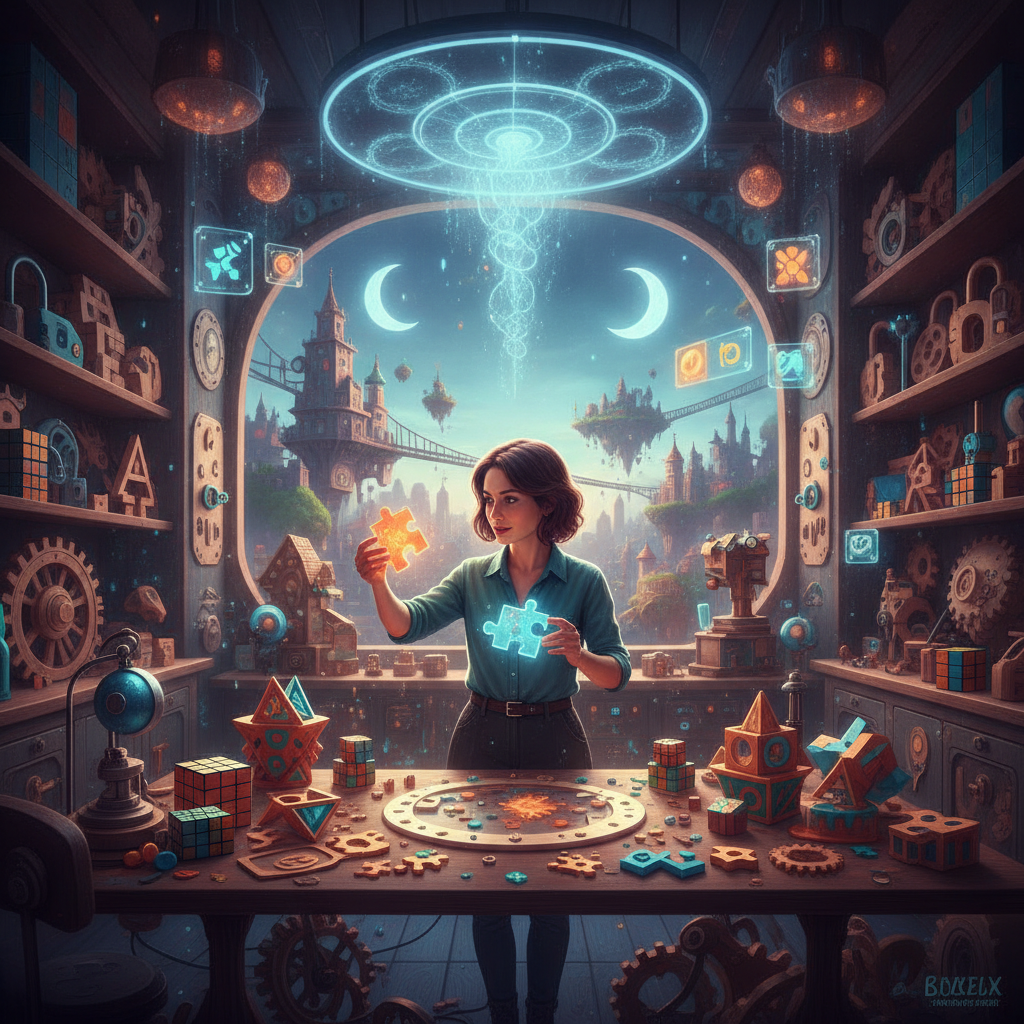
Puzzle design is a delicate balance between challenge and accessibility. A well-crafted brain teaser draws the solver in, providing a satisfying sense of accomplishment upon completion. However, when a puzzle strays into the realm of frustration, it can deter even the most eager participants. Understanding the elements that differentiate a good puzzle from a frustrating one is crucial for designers and enthusiasts alike.
Clarity of Instructions
One of the foundational aspects of a great puzzle is clarity. Clear and concise instructions set the stage for an enjoyable experience. When solvers can easily grasp what is expected of them, they are more likely to engage with the puzzle rather than feeling overwhelmed or confused. If a puzzle's instructions are ambiguous or convoluted, it can lead to frustration and disengagement.
Balanced Difficulty
A successful puzzle strikes a balance between being challenging and solvable. The difficulty should be appropriate for the intended audience. For instance, a puzzle aimed at children should not require advanced logic skills, while adult puzzles can introduce more complexity. The key is to ensure that the challenge is achievable, leading solvers to feel a sense of progression and excitement as they work through the layers of the puzzle.
Logical Flow and Structure
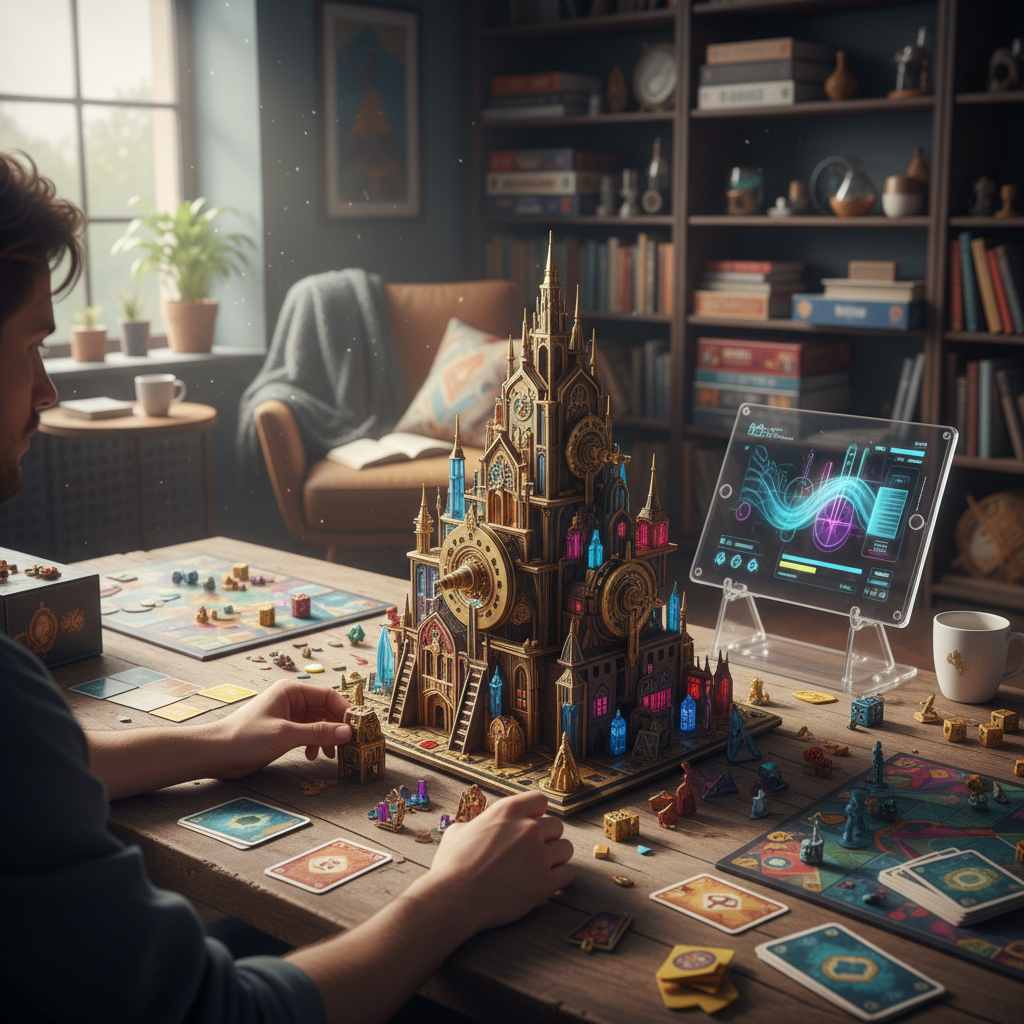
Good puzzles often have a logical flow that guides the solver toward the solution. This means that the steps needed to reach the answer should make sense and be interconnected. Puzzles that appear random or lack a clear path can evoke frustration, as solvers may feel lost or unsure of their next move. By creating a cohesive structure, designers can help solvers navigate through the challenge with confidence.
"A great puzzle doesn't just challenge the mind; it invites the solver on a journey where every clue is a stepping stone."
Engagement Through Theme and Aesthetic
Puzzles that incorporate engaging themes or beautiful designs can enhance the overall experience. A well-themed puzzle not only captivates the solver's attention but also adds depth and enjoyment to the solving process. Aesthetics play a role too; visually appealing puzzles can inspire a sense of curiosity and wonder, encouraging the solver to dive deeper into the challenge.
Conclusion: The Balance of Challenge and Enjoyment
In summary, the art of puzzle design lies in creating an experience that is both challenging and enjoyable. By ensuring clarity, balanced difficulty, logical flow, and engaging aesthetics, designers can craft brain teasers that stimulate thought without causing undue frustration. A great puzzle is one that respects the solver's journey, turning the process of discovery into an exhilarating adventure.