 Off The Grid Play
The Art of Puzzle Design: What Makes a Good Brain Teaser
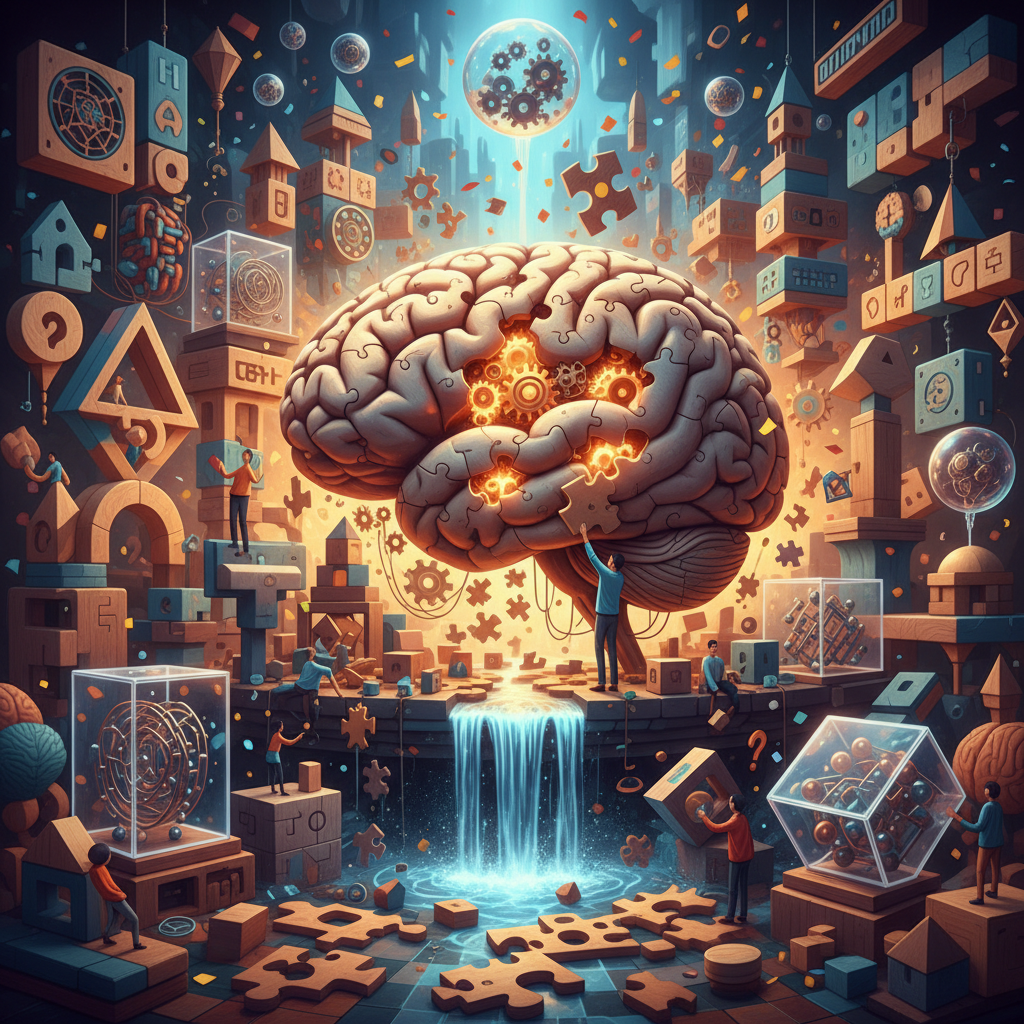
Understanding the Balance in Puzzle Design
Puzzles have captivated minds for centuries, serving as both entertainment and mental exercise. However, the line between a good brain teaser and a frustrating one can often be thin. The key to effective puzzle design lies in a careful balance of challenge, clarity, and engagement. Let’s explore what makes a puzzle enjoyable and rewarding, rather than a source of frustration.
Clear Objectives
One of the fundamental aspects of a good puzzle is the clarity of its objective. Players should understand what they are trying to achieve without ambiguity. This clarity ensures that players can focus their thoughts on solving the puzzle rather than deciphering what they are meant to do.
Tip: Provide concise instructions that guide the player without revealing too much. This keeps the challenge alive while ensuring the goal is clear.Appropriate Difficulty Level
A well-designed puzzle strikes a balance between being challenging and accessible. It should stimulate the mind, encouraging players to think critically, but not so difficult that it leads to frustration. A good puzzle often includes varying levels of difficulty, allowing players to gradually build their skills and confidence.
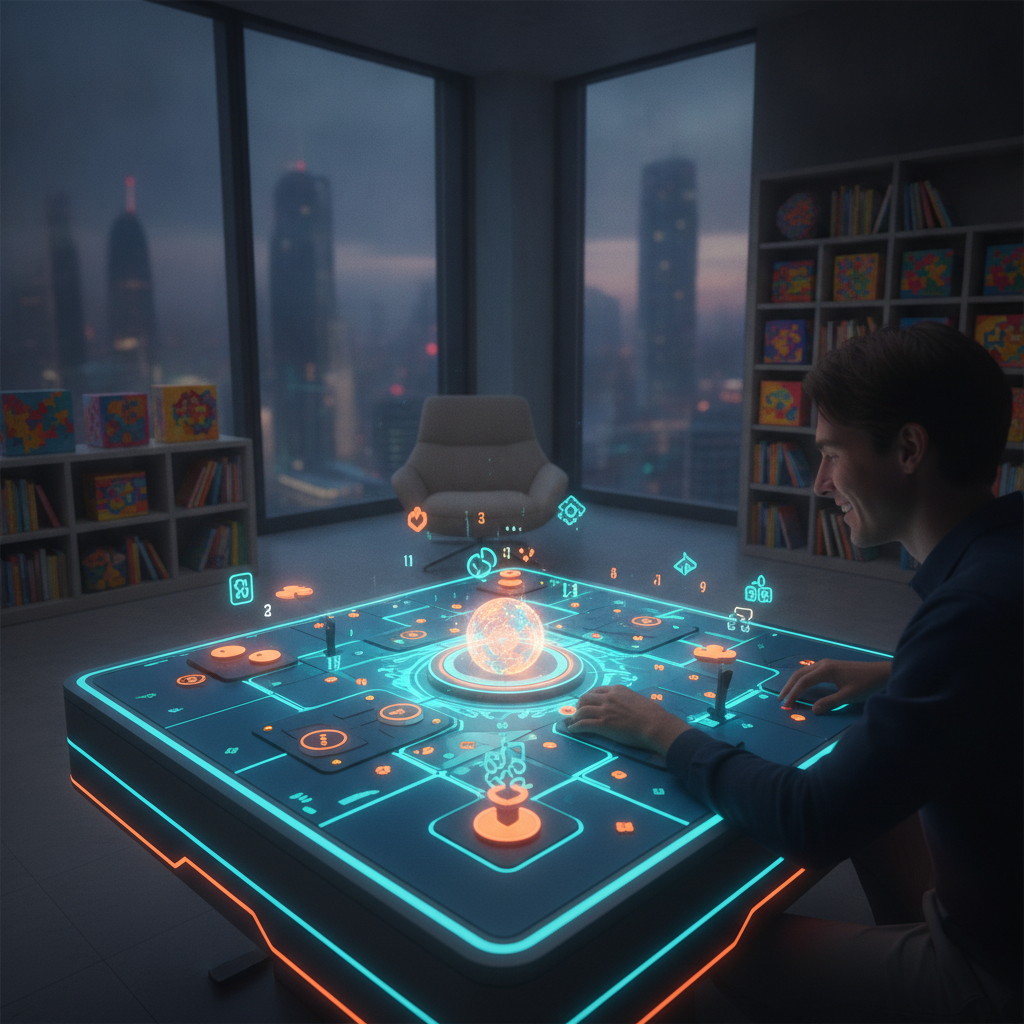
“Great puzzles invite you in with a hint of challenge while ensuring you feel capable of solving them with effort.”
Engaging Mechanics
Puzzles that incorporate engaging mechanics or unique twists often leave a lasting impression. Whether through unexpected turns, creative themes, or innovative interactions, engaging puzzles captivate players’ attention and keep them invested in the outcome. The mechanics should feel intuitive, enhancing the problem-solving experience rather than hindering it.
Feedback and Progression
Providing feedback is essential in puzzle design. Players should be able to recognize when they are on the right track or when they need to reconsider their approach. Feedback can come in various forms, such as visual cues or sounds, which help to validate the player’s actions and decisions. Additionally, a sense of progression, such as unlocking new levels or gaining new insights, can greatly enhance the enjoyment of solving a puzzle.
Encouraging Exploration
A good brain teaser encourages exploration and experimentation. Players should feel free to try different approaches without the fear of failure. Creating an environment where players feel comfortable making mistakes can lead to “aha” moments that are both rewarding and exciting. The best puzzles invite players to think outside the box and consider multiple angles for problem-solving.
Conclusion
In summary, the art of puzzle design hinges on a deep understanding of player experience. By ensuring clear objectives, appropriate difficulty, engaging mechanics, effective feedback, and room for exploration, designers can create puzzles that challenge and delight. The ultimate goal is for players to walk away feeling accomplished and eager to tackle the next challenge.