 Off The Grid Play
The Leaderboard Paradox: When Competition Diminishes Motivation
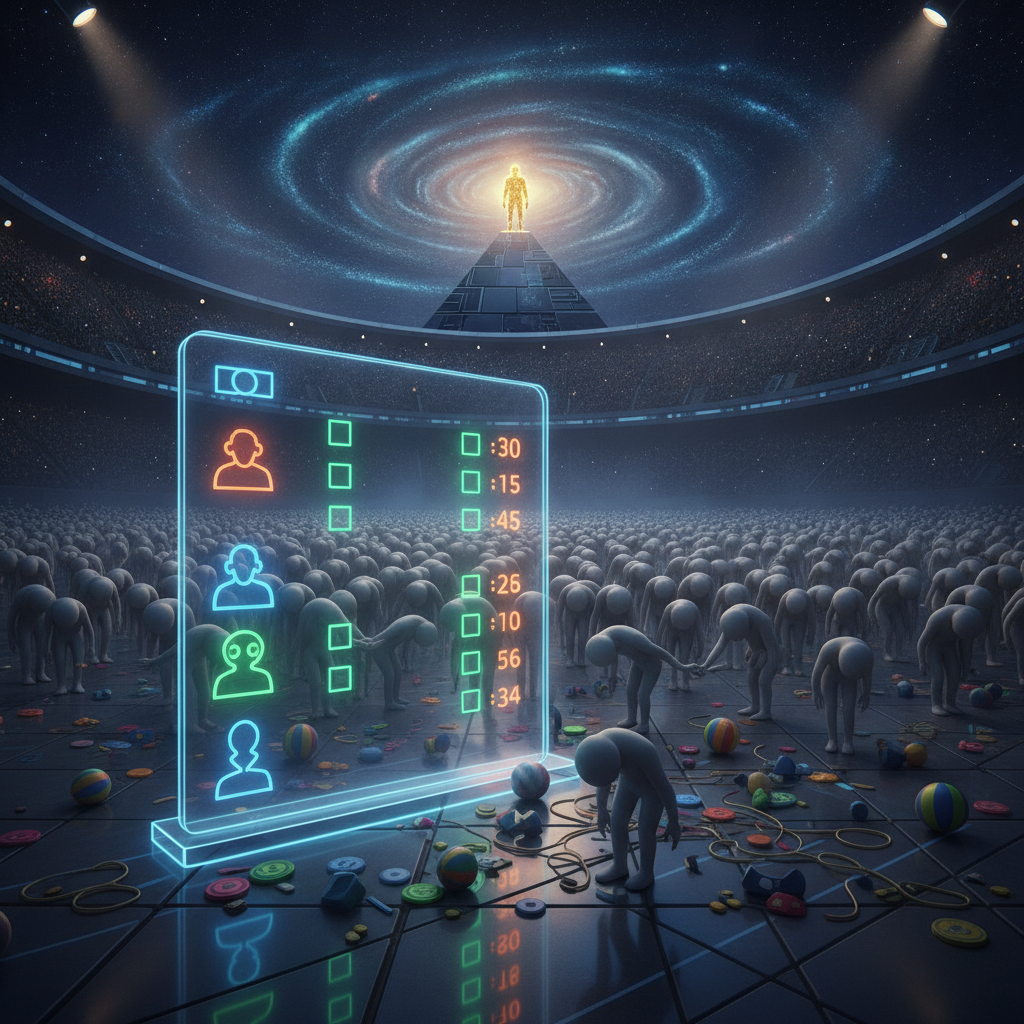
The Double-Edged Sword of Competition
In various fields, from education to corporate environments, leaderboards are often hailed as a tool for fostering motivation and driving performance. The idea is simple: by ranking individuals or teams, you create a competitive atmosphere that encourages people to perform better. However, this approach can backfire, leading to a paradox where competition actually undermines motivation instead of enhancing it.
The Rise of Pressure
When individuals are constantly aware of their standing in a leaderboard, the pressure can be overwhelming. This relentless focus on ranking can shift priorities from personal growth and mastery to merely beating others. As a result, individuals may become so preoccupied with their position that they lose sight of the intrinsic rewards of their efforts, such as learning and self-improvement. Instead of feeling motivated, they may experience anxiety and stress, which can lead to burnout.
“The real challenge is not to compete against others, but to strive for personal excellence.”
Collaboration vs. Competition

Interestingly, competition can diminish collaboration as well. In environments where leaderboards dictate success, individuals may be less likely to share knowledge or support one another. This fosters a culture of isolation rather than teamwork, which can stifle creativity and innovation. When collaboration is replaced by individualistic striving, the overall performance of the group may suffer.
Motivation through Meaning
Research indicates that intrinsic motivation—doing something for its own sake—often leads to better outcomes than extrinsic motivation, which is driven by rewards or recognition. When competition overshadows the joy of the activity itself, individuals may find themselves less engaged and less satisfied with their performance. A shift from a leaderboard-based system to one focused on personal goals or milestones can help re-establish meaning and motivation in one's work.
“True motivation comes from within; external rankings can obscure that inner drive.”
Rethinking Success
The challenge lies in redefining what success looks like. Instead of focusing solely on rankings, organizations and educational institutions should consider alternative methods of assessment that highlight individual progress and team achievements. Celebrating milestones, encouraging peer feedback, and fostering a culture of support can create an environment where individuals feel valued for their contributions, regardless of where they stand on a leaderboard.
In conclusion, while competition can drive performance, it is essential to recognize its potential pitfalls. By understanding the complexities of motivation and the impact of leaderboards, we can create more balanced and fulfilling environments where individuals are inspired to achieve not just for the sake of competition, but for their own personal journey of growth and development.