 Off The Grid Play
The Power of Unstructured Play: Why Doing Nothing Productive is Secretly Productive

Embracing the Freedom of Unstructured Play
In a world that often celebrates productivity and constant motion, the concept of unstructured play may seem counterintuitive. However, allowing ourselves time to simply be—free from the shackles of structured tasks and deadlines—might be one of the most productive things we can do for our creativity, mental health, and overall well-being.
Understanding Unstructured Play involves engaging in activities without predefined goals or outcomes. It is the time spent wandering in nature, doodling in a notebook, or simply daydreaming. These moments may not produce tangible results, but they play a crucial role in our cognitive and emotional development.
“Imagination is more important than knowledge.” – Albert Einstein
The Benefits of Unstructured Play
When we give ourselves permission to engage in unstructured play, we unlock various benefits. Firstly, it fosters creativity. Without the pressure of producing something immediately useful, our minds can explore new ideas and connections, leading to innovative solutions and insights.
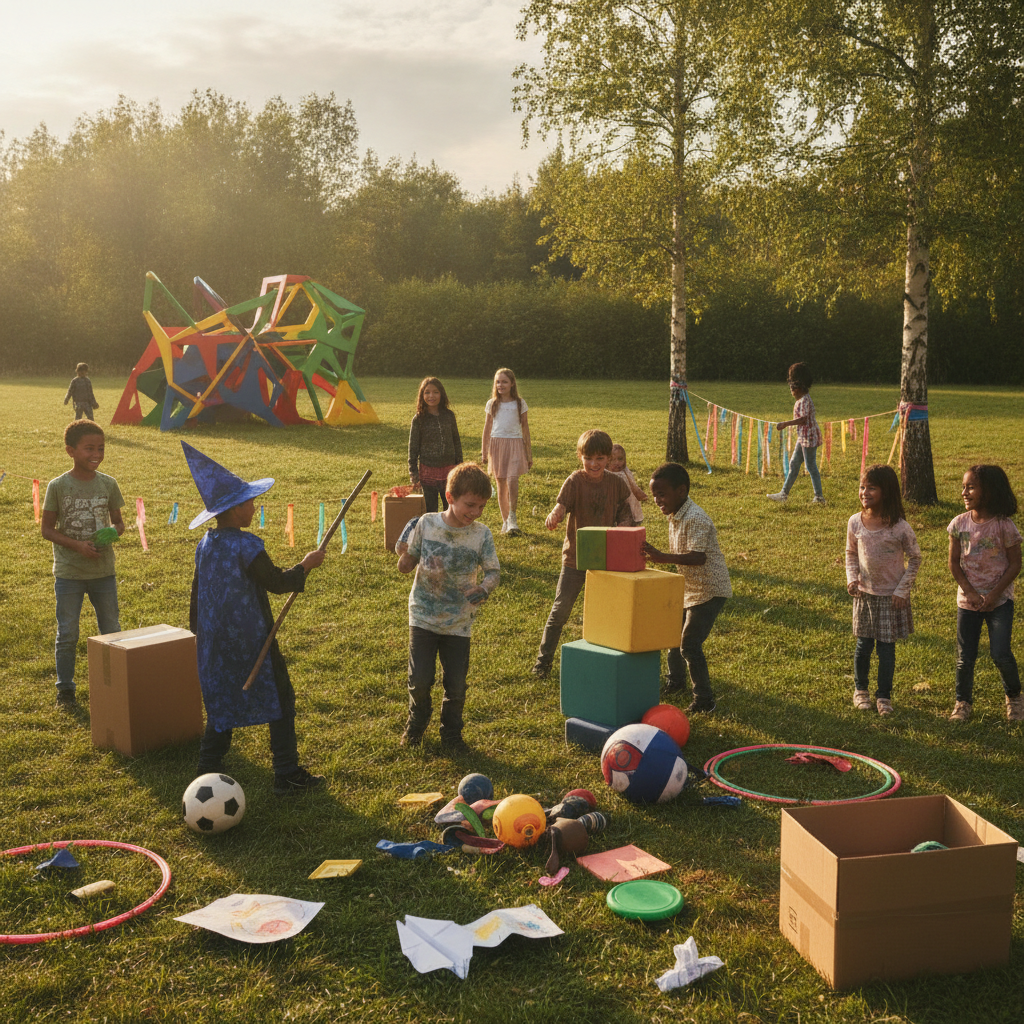
Moreover, unstructured play serves as a form of mental rest. In a society that often equates busyness with value, stepping away from productivity allows our brains to recharge. This downtime is essential for preventing burnout and maintaining long-term effectiveness in our work and personal lives.
Mental Health is another area where unstructured play shines. Engaging in free-form activities can reduce stress and anxiety, providing a necessary respite from the demands of daily life. It encourages mindfulness and presence, grounding us in the moment rather than the future or the past.
“The creation of something new is not accomplished by the intellect but by the play instinct.” – Carl Jung
Integrating Unstructured Play into Daily Life
To reap the benefits of unstructured play, it’s essential to integrate it into our daily routines. Consider setting aside time for activities that allow your mind to wander—whether that's taking a leisurely walk, sketching, or simply staring out the window. The key is to prioritize these moments without the guilt of feeling unproductive.
Incorporating play doesn’t mean neglecting responsibilities; instead, it enriches our capacity to handle them. By creating space for unstructured activities, we cultivate a more balanced approach to life that honors both productivity and relaxation.
Conclusion
Ultimately, embracing unstructured play is a powerful tool that enhances our lives in meaningful ways. By recognizing that doing nothing productive is, in fact, a productive endeavor, we can foster creativity, improve our mental health, and find greater fulfillment in our everyday experiences. So, let’s allow ourselves the grace to play, explore, and imagine—because in those moments of unstructured freedom, we may find our most profound insights yet.