 Off The Grid Play
The Psychology of Passive Play in Idle Games and Incremental Mechanics
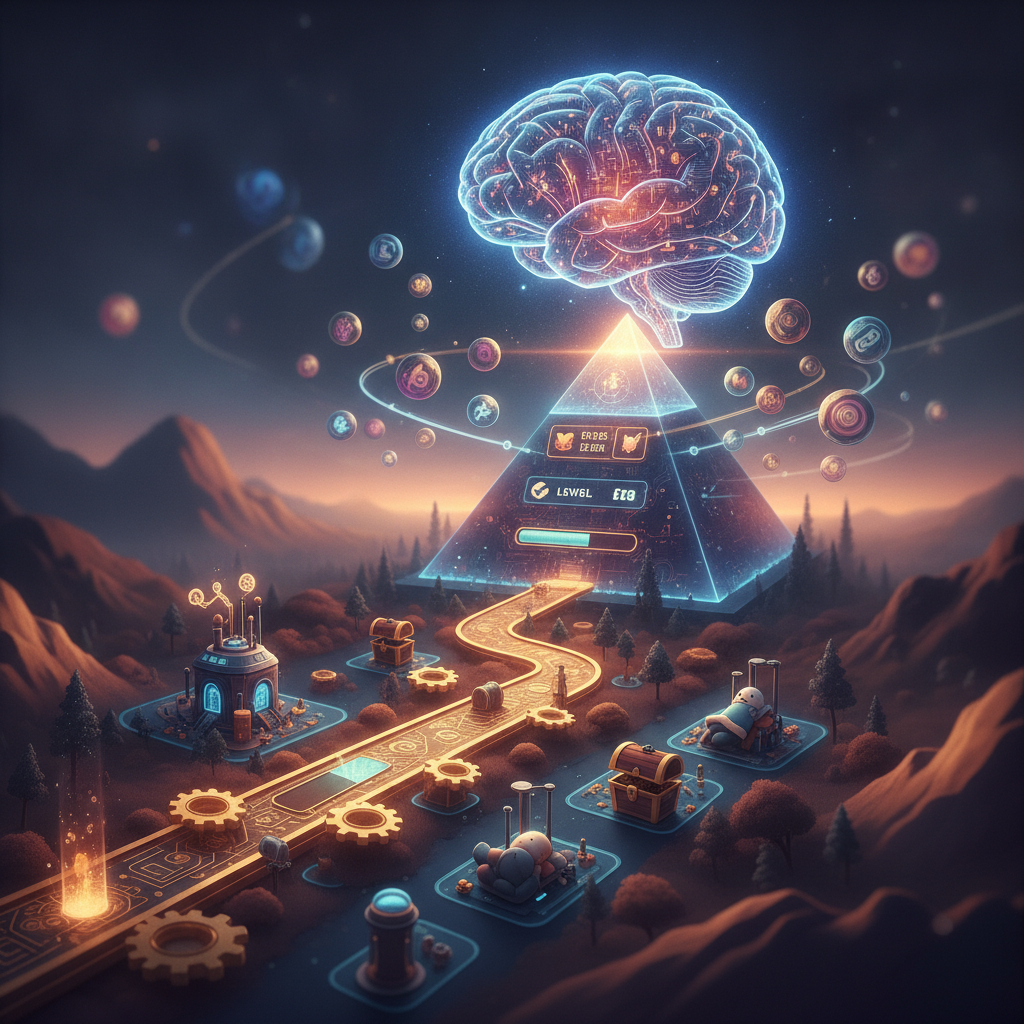
Understanding the Allure of Idle Games
Idle games, often known as incremental games, have surged in popularity in recent years. They offer players a unique gaming experience where progress continues even when they are not actively playing. This passive play style taps into various psychological mechanisms, making these games engaging and addictive.
What Makes Idle Games Captivating?At the core of idle games is the idea of gradual progression. Players start with minimal resources and, through simple actions, can watch their efforts multiply over time. This sense of growth provides a rewarding experience that keeps players returning. The mechanics are straightforward: players engage in small tasks that yield increasingly larger rewards, creating a cycle of gratification.
"The simplicity of idle mechanics allows players to engage without the pressure of skill or time commitment."
This accessibility is significant. Many players are drawn to idle games because they can enjoy them without the stress associated with more complex gaming genres. This ease of play allows for a unique form of relaxation, where players can indulge in the satisfaction of progress without the need for constant attention.
 The Role of Dopamine in Passive Play
The psychological aspect of idle games can be largely attributed to the dopamine response. Every time a player sees their numbers increase, they experience a small release of dopamine, a neurotransmitter associated with pleasure and reward. This creates a feedback loop, encouraging players to continue playing to experience that rewarding sensation.
"The incremental nature of these games satisfies our innate desire for achievement and progress."
As players advance, they often unlock new features or upgrades, amplifying the sense of achievement. This can lead to a phenomenon known as the “sunk cost fallacy,” where players feel compelled to continue investing time or resources into the game because they have already made significant progress.
Community and CompetitionAnother vital aspect of idle games is the community that often forms around them. Players share strategies, achievements, and tips, creating a social network that enhances the experience. This sense of community can further deepen the engagement, as players feel a connection to others who share their interests.
"The social aspect of idle games enriches the experience, fostering a sense of belonging and shared progress."
Additionally, many idle games incorporate competitive elements, such as leaderboards or challenges. This competition can drive players to engage more deeply, striving to improve their standing among peers, which in turn enhances the overall experience.
Conclusion: The Future of Passive PlayAs the gaming landscape continues to evolve, idle games and their incremental mechanics are likely to remain a staple. Their ability to engage players through passive play, coupled with psychological rewards and community interaction, makes them a compelling choice for those seeking a more relaxed gaming experience. Understanding the psychology behind these games not only highlights their effectiveness but also sheds light on why they resonate with so many players worldwide.